

Mens Field Coats and Jackets
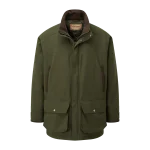
Men’s Field Coats & Jackets
A field coat is one of the most versatile pieces of outerwear a shooter can own. Whether you’re standing on a peg during a wet winter shoot, working outdoors on an estate, walking the dog, spending time on the clay ground or simply dealing with the realities of British weather, a good field coat provides the protection, comfort and practicality needed to stay outdoors for longer.
At Ian Coley Country, we see field coats used exactly as they were intended. Through our clay shooting ground, gun shop, country clothing store and shooting agency, we spend time outdoors throughout the shooting season and understand what customers expect from modern outerwear. Our collection includes coats and jackets from trusted brands including Schoffel, Fortis, Beretta, Browning and Seeland, ranging from lightweight packable waterproofs to premium shooting coats built for the toughest conditions.
Choosing the Right Field Coat
The best field coat is not necessarily the most expensive or the most technical. The right choice depends on how you intend to use it, the conditions you expect to face and the balance you want between weather protection, weight and storage.
A lightweight waterproof jacket may be ideal if you need a coat that can live in the back of a vehicle or game bag until required, while a more substantial field coat can provide greater protection, storage and comfort during long days outdoors throughout the shooting season.
Understanding the key technologies, features and design considerations used in modern field coats makes it much easier to identify the right option for your needs.
Waterproofing, Breathability & Modern Membranes
Most modern field coats rely on a waterproof and breathable membrane. This technical layer helps prevent rain from entering the garment whilst allowing moisture vapour generated by the wearer to escape.
Most manufacturers have developed their own membrane systems, such as Beretta’s BWB and BWB EVO technologies and Schoffel’s Venturi membrane. Others utilise third-party solutions, including Toray’s highly regarded Dermizax membrane, which features in garments such as the latest Schoffel Ptarmigan Coat. Advances in membrane technology have helped modern field coats become lighter, more weatherproof and more comfortable than ever before.
When comparing coats, three factors are particularly worth understanding: waterproofing, breathability and windproofing.
Waterproofing
Waterproof performance is typically measured using a hydrostatic head rating, expressed in millimetres (mm). This measures how much water pressure a fabric can withstand before water begins to penetrate through the material.
As a general guide:
- 5,000mm offers basic waterproof protection.
- 10,000mm is typically the minimum level worth considering for regular shooting use.
- 15,000mm to 20,000mm provides excellent protection for demanding conditions.
- Higher ratings generally provide greater resistance during prolonged exposure to heavy rain.
For most shooting and country pursuits, a coat offering around 10,000mm or above will provide reliable protection in typical British weather conditions.
Breathability
Breathability measures how effectively moisture vapour can escape from the inside of a garment. This becomes increasingly important during active use, where body heat and perspiration can build up inside the coat.
As a general guide:
- 5,000 is a useful baseline for regular outdoor use.
- 10,000 offers improved comfort during more active use.
- 15,000 and above provides excellent breathability for demanding conditions.
A highly waterproof coat is of limited value if it becomes uncomfortable from trapped moisture. The best field coats balance waterproofing and breathability to help keep you dry both from the weather outside and from moisture generated within the garment itself.
It is also worth remembering that membrane performance is only part of the story. Fabric construction, garment design and the way a membrane is incorporated into a coat can all influence how it performs in real-world conditions.
Windproofing
While waterproofing tends to receive most of the attention, windproofing can be equally important when spending long periods outdoors. Cold wind can rapidly reduce comfort by drawing heat away from the body, even when conditions are relatively dry.
Most modern field coats provide a high degree of wind resistance through their outer fabrics and membrane construction. Combined with suitable layering, effective windproofing helps improve comfort, minimise wind chill and retain warmth during challenging conditions.
Weight, Fit & Layering
Weight can have a significant influence on how a field coat performs.
Traditional shooting coats are often built using more substantial outer fabrics and may include numerous practical features, making them well suited to long days in challenging weather. At the other end of the scale are lightweight and ultra-lightweight jackets designed to provide weather protection while remaining easy to carry and store.
Options such as the Fortis Stowaway and Browning Ultimate Compact demonstrate how modern waterproof jackets can be packed away when not needed and quickly deployed when conditions change. They can also be worn underneath a shooting waistcoat or skeet vest, providing weather protection while maintaining access to the vest’s pockets and storage.
Fit is equally important. A shooting coat should allow unrestricted movement while leaving enough room for layering underneath. Some garments are intentionally cut to accommodate fleeces, gilets and other insulating layers, resulting in a roomier fit than customers may expect when trying them on for the first time. Finding the right balance between freedom of movement, comfort and layering potential is often just as important as selecting the right technical specification.
Features Worth Looking For
Beyond waterproofing and fit, several practical features can have a significant impact on comfort and usability in the field.
Depending on the garment, you may find:
- Large bellows or cartridge pockets.
- Drainage holes within cartridge pockets.
- Pocket retention systems that help keep cartridge pockets open during use.
- Handwarmer pockets.
- Adjustable cuffs.
- Two-way front zips.
- Adjustable waist systems.
- Detachable hoods.
- Packaway or stowaway hoods.
- Quiet outer fabrics suited to stalking and situations where minimising noise is important.
Not every situation needs every feature. The most important thing is identifying the features that genuinely support the way you’ll use the coat.
Why Buy Men’s Field Coats & Jackets from Ian Coley Country?
Our team doesn’t evaluate shooting clothing from behind a desk. Because we operate Ian Coley Sporting alongside our gun shop and country clothing store, we see how jackets perform on the clay ground throughout the year. Through our shooting agency, we also spend time with game shooters facing everything from warm early-season days to the toughest winter conditions.
That experience helps us select products that deliver genuine performance rather than simply impressive specifications. We stock trusted brands, maintain a wide range of styles and sizes, and provide practical advice based on real-world use.
Whether you’re investing in a premium waterproof shooting coat, looking for a lightweight packable jacket or replacing a trusted favourite, our team can help you find a field coat suited to your needs and the conditions you expect to face.
Frequently Asked Questions
Q: What is the difference between a field coat and a shooting jacket?
A: The terms are often used interchangeably. Field coats tend to be slightly longer and place greater emphasis on weather protection, while shooting jacket can be used to describe a broader range of country and shooting outerwear.
Q: How waterproof should a shooting coat be?
A: For regular shooting use, a waterproof rating of around 10,000mm is generally a sensible minimum. Higher ratings can provide greater protection during prolonged exposure to heavy rain.
Q: What is a waterproof membrane?
A: A waterproof membrane is a technical layer built into a garment that prevents rain from entering while allowing moisture vapour to escape from inside the coat.
Q: Should I choose a lightweight or heavyweight field coat?
A: Lightweight coats offer excellent packability and are ideal for changeable conditions, while heavier coats often provide greater protection, storage and durability during long days outdoors.
Q: What features should I look for in a shooting coat?
A: Useful features include cartridge pockets, handwarmer pockets, adjustable cuffs, two-way zips, hoods and quiet fabrics. The best combination depends on how and where you intend to use the coat.
Q: Are field coats suitable for activities beyond shooting?
A: Yes. Many field coats are also used for dog walking, estate work, farming and general countryside use thanks to their weather protection, durability and practical design.
Mens Field Coats and Jackets
-
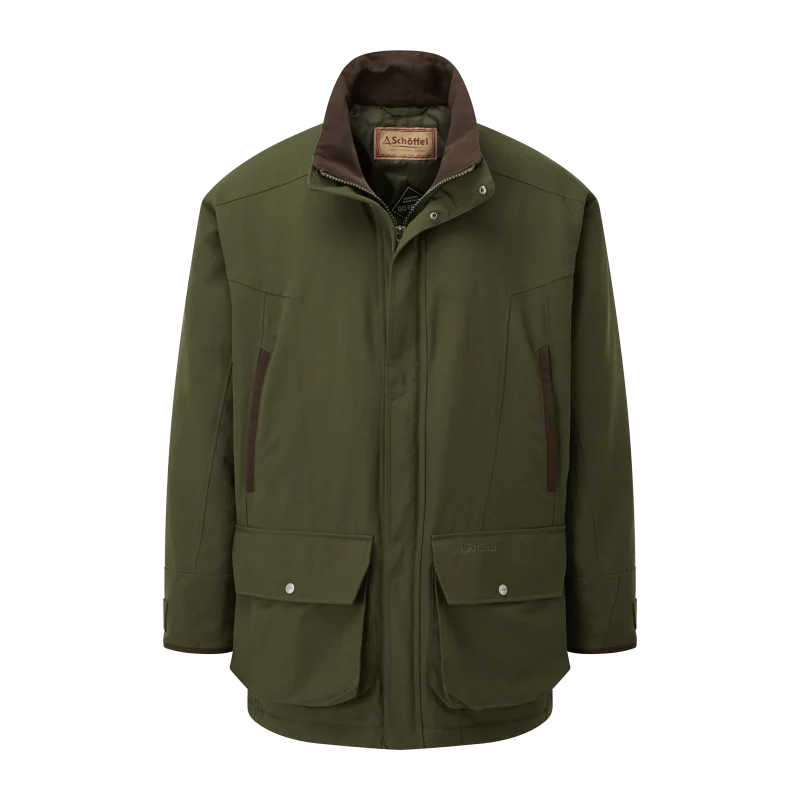
Schoffel Ptarmigan Classic Coat
(Hunter Green)£575.00£479.17View ProductEx VAT
-
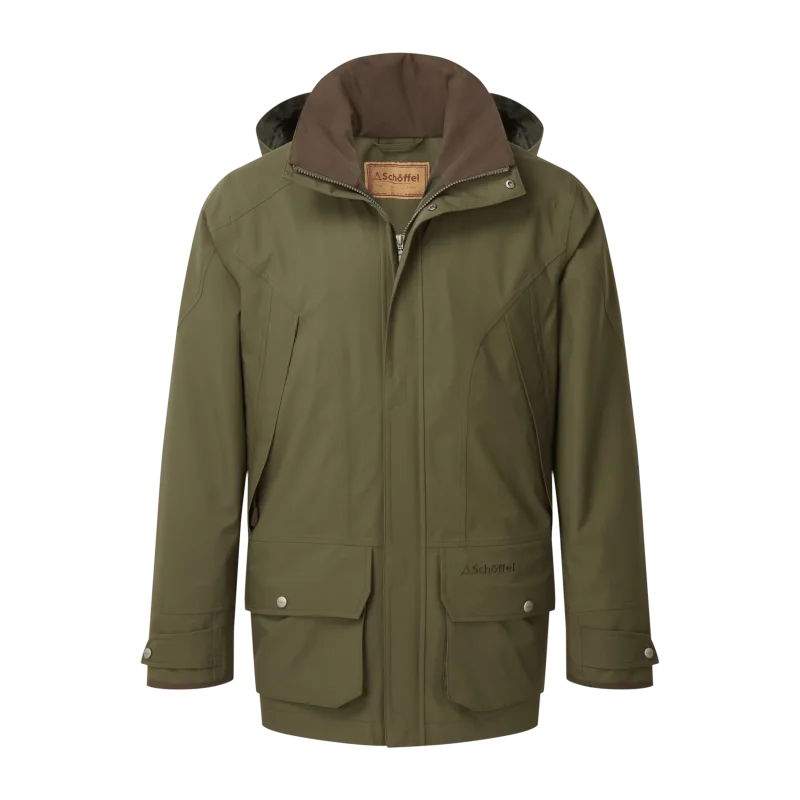
Schoffel Snipe Ultralight Coat
(Forest)£380.00£316.67View ProductEx VAT
-
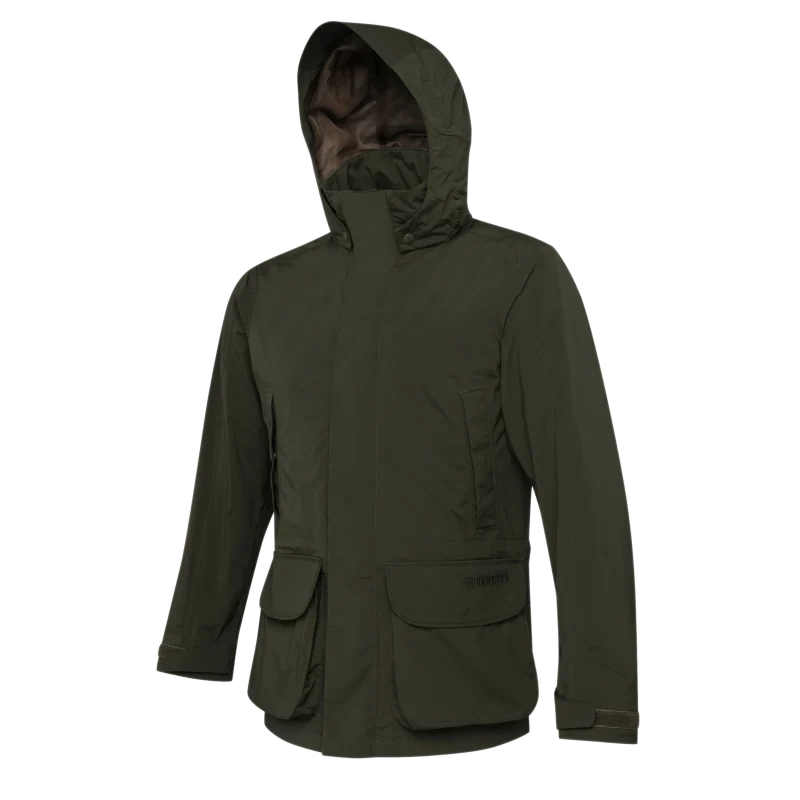
Beretta Carrick Jacket
(British Green)£218.95£182.46View ProductEx VAT
-
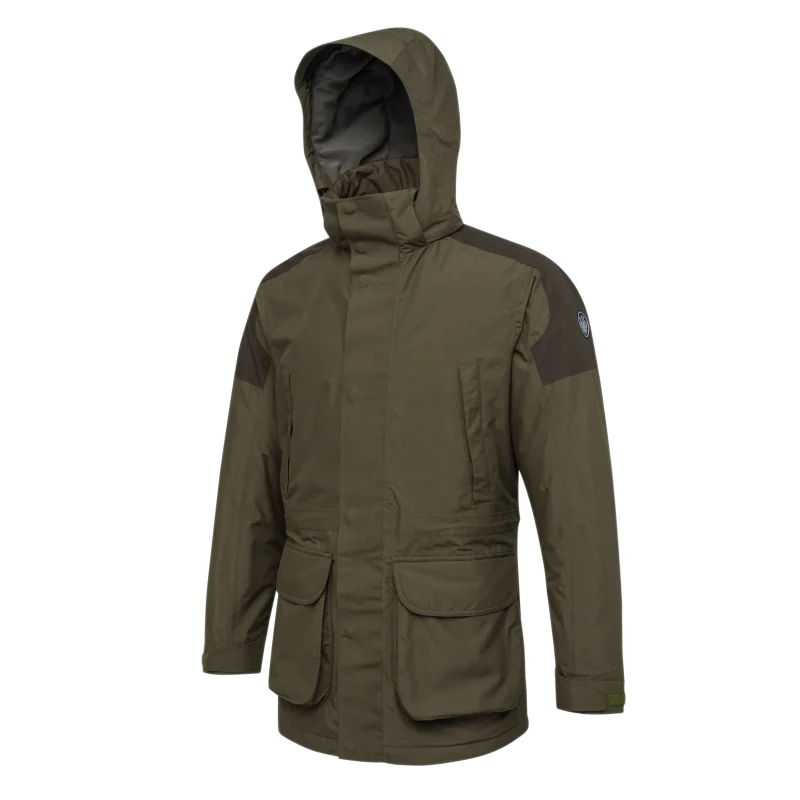
Beretta Tri Active Evo Jacket
(Green Moss)£249.95£208.29View ProductEx VAT
-

Schoffel Snipe Coat
(Forest)£450.00£375.00View ProductEx VAT
-

Seeland Highpoint Jacket
(Light Pine)£199.99£166.66View ProductEx VAT
-

Ridgeline Mens Monsoon Classic Jacket
(Teak)£179.99£149.99View ProductEx VAT
-

Ridgeline Mens Monsoon Classic Jacket
(Navy)£179.99£149.99View ProductEx VAT
-

Ridgeline Mens Monsoon Classic Jacket
(Deep Forest)£179.99£149.99View ProductEx VAT
-
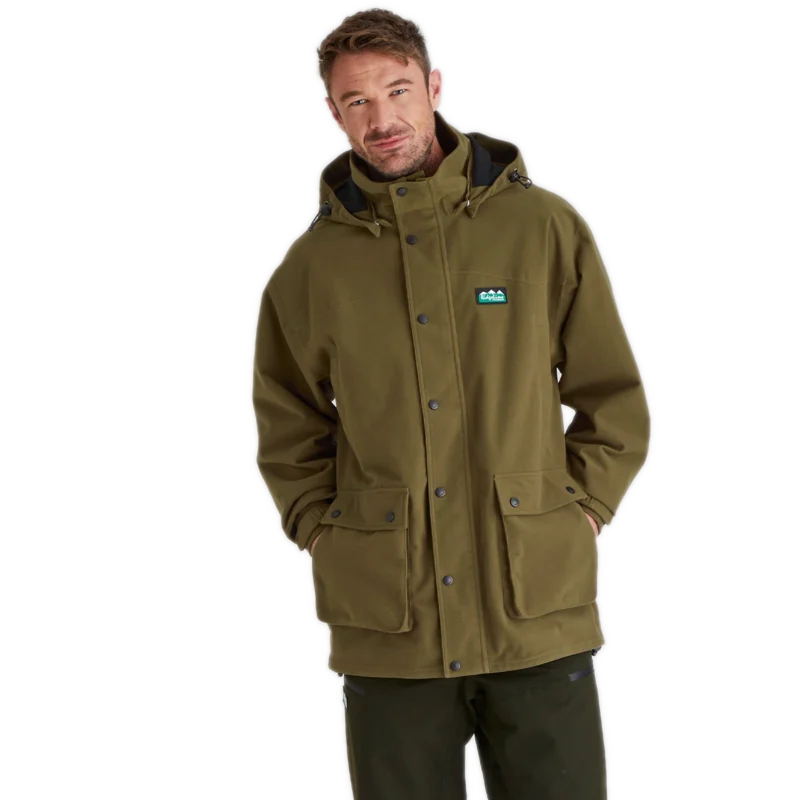
Ridgeline Mens Torrent Jacket
(Teak)£149.95£124.96View ProductEx VAT
-

Ridgeline Mens Torrent Jacket
(Navy)£149.95£124.96View ProductEx VAT
-
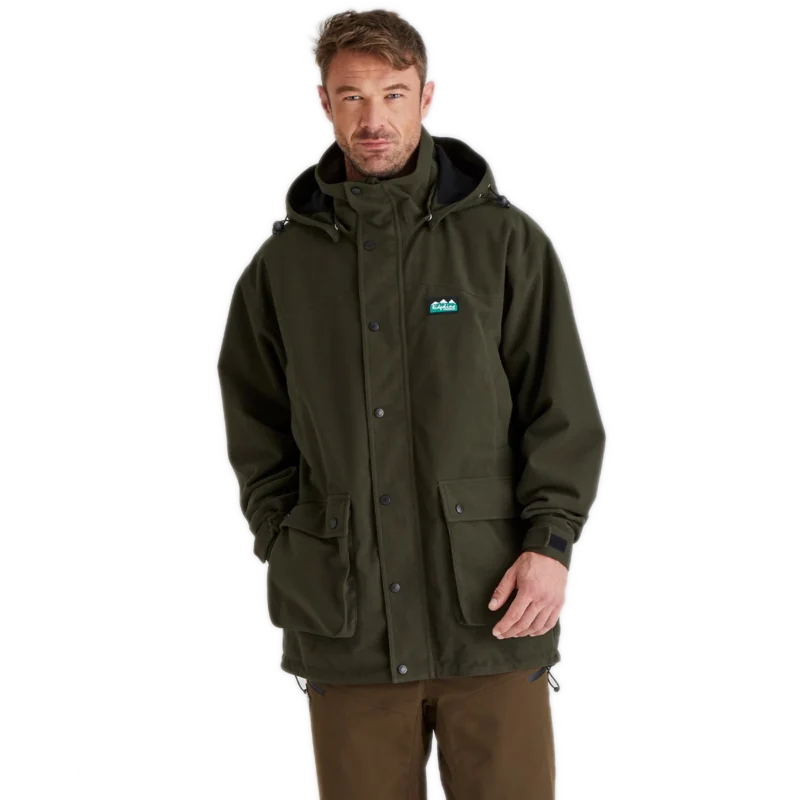
Ridgeline Mens Torrent Jacket
(Deep Forest)£149.95£124.96View ProductEx VAT
-

Fortis Mens Forester Coat
(Olive Green)£495.00£412.50View ProductEx VAT
-
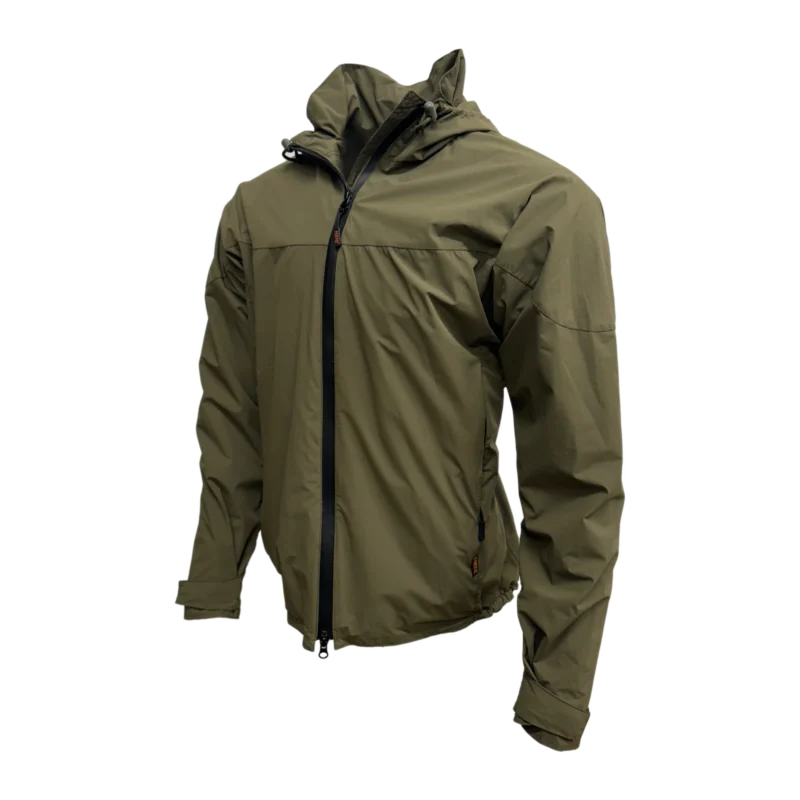
Fortis Mens Stowaway Jacket
(Olive Green)£325.00£270.83View ProductEx VAT
-

Fortis Mens Field Jacket
(Olive Green)£335.00£279.17View ProductEx VAT
-

Holland Cooper Mens Stamford Field Coat
(Chocolate)£349.00£290.83View ProductEx VAT
-
ON
SALE
On Sale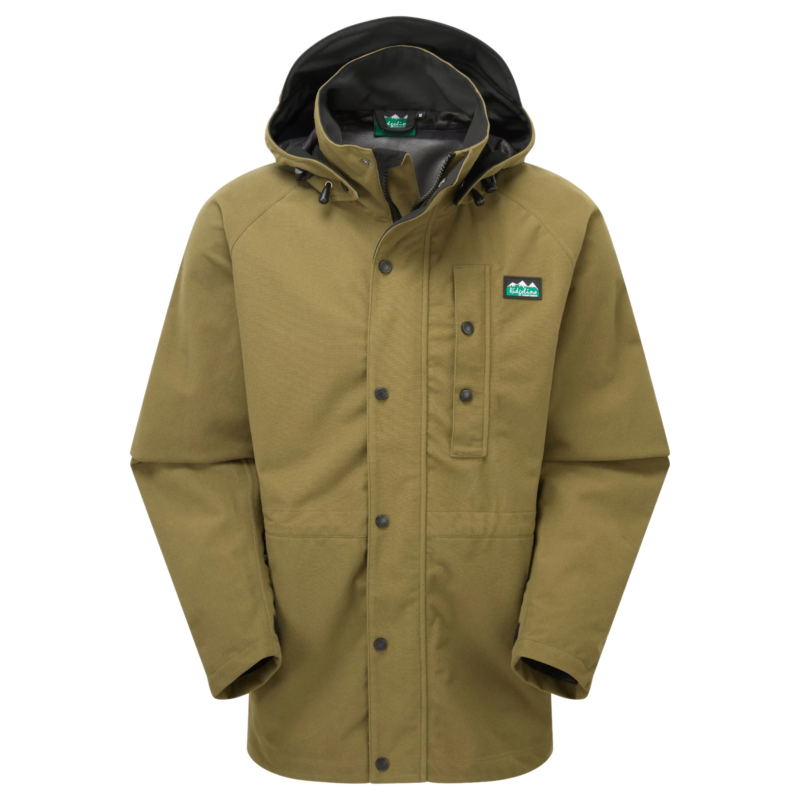
Ridgeline Mens Monsoon Classic Jacket
(Teak)Original price was: £179.99.£120.00Current price is: £120.00.View Product£149.99£100.00Ex VAT
-
ON
SALE
On Sale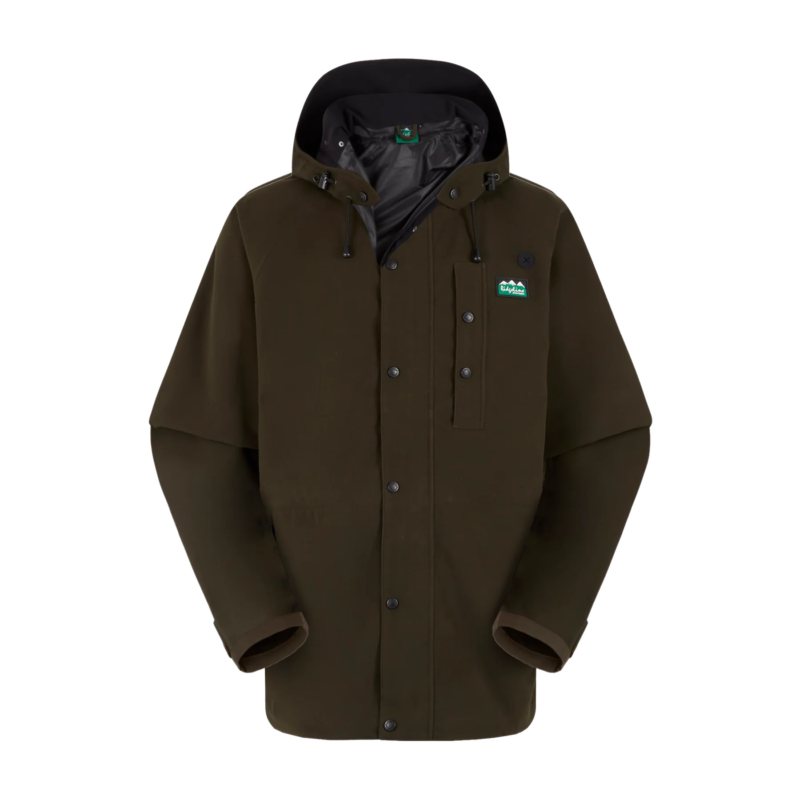
Ridgeline Mens Monsoon Classic Jacket
(Deep Forest)Original price was: £179.99.£120.00Current price is: £120.00.View Product£149.99£100.00Ex VAT
-
ON
SALE
On Sale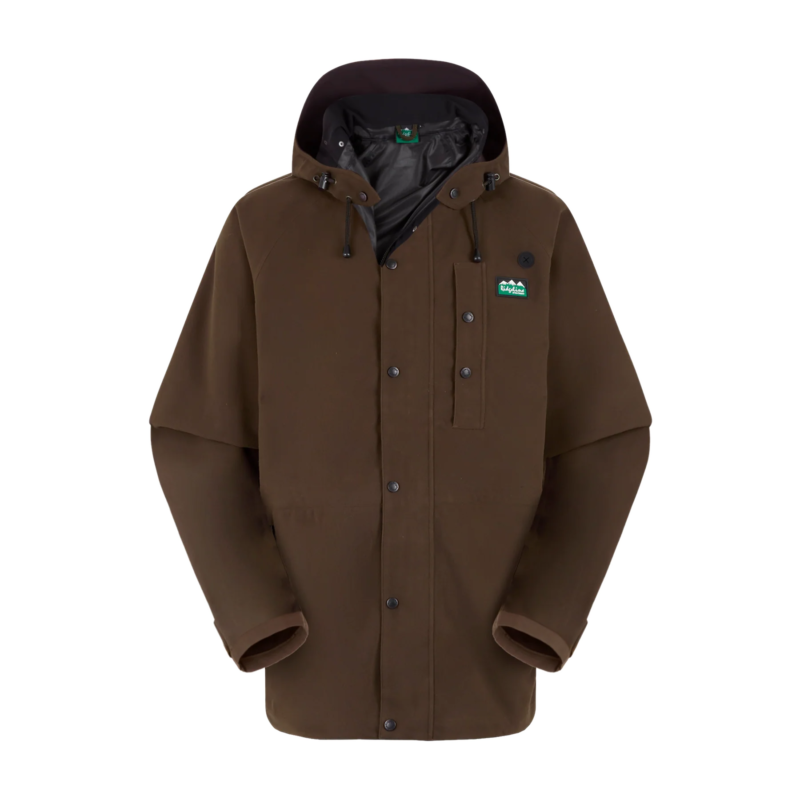
Ridgeline Mens Monsoon Classic Jacket
(Bark)Original price was: £179.99.£120.00Current price is: £120.00.View Product£149.99£100.00Ex VAT
-

Alan Paine Mens Lockwood Coat
(Olive)£249.95£208.29View ProductEx VAT
-
ON
SALE
On Sale
Seeland Trax Jacket
(Light Pine)Original price was: £249.99.£180.00Current price is: £180.00.View Product£208.33£150.00Ex VAT
