

Active (Electronic) Ear Defenders
Active (Electronic) Ear Defenders
Electronic ear defenders for shooting combine gunshot noise suppression with ambient sound amplification for safer communication and improved situational awareness. This category includes active hearing protection for clay shooting, game shooting, rifle ranges, competition use, and professional instruction. Explore slimline electronic ear defenders, Bluetooth-enabled models, and high-performance active hearing protection from leading shooting and hearing protection brands.
About Electronic Ear Defenders
Electronic ear defenders, also known as active ear defenders or electronic hearing protection, are designed to protect hearing from harmful gunshot noise while still allowing shooters to hear safe surrounding sounds clearly. Unlike passive ear defenders, electronic models use built-in microphones and sound processing technology to amplify quieter environmental sounds such as conversation, range commands, and approaching quarry.
When a gunshot occurs, the electronic system rapidly suppresses dangerous impulse noise to help reduce the risk of long-term hearing damage. This combination of protection and situational awareness makes electronic ear defenders particularly popular across a wide range of shooting disciplines.
Electronic hearing protection for shooting is commonly used for:
- clay shooting
- game shooting
- practical shooting
- rifle ranges
- shooting instruction
- competition shooting
Many shooters prefer active hearing protection because it improves communication, awareness, and overall comfort during longer shooting sessions. Slim electronic ear defenders are especially popular for shotgun disciplines where reduced gun stock interference is important.
Types of Electronic Ear Defenders
Slim Electronic Ear Defenders
Slim and low-profile electronic ear defenders are designed to minimise contact with the shotgun stock during mounting and shooting. These compact designs are particularly popular for clay shooting, sporting clays, and skeet shooting where fast mounting and comfort matter.
Many shooters choose slimline active ear defenders for:
- reduced stock interference
- lighter overall weight
- improved comfort during long sessions
- faster target acquisition
Bluetooth Electronic Ear Defenders
Bluetooth electronic hearing protection combines active hearing protection with wireless connectivity. These models allow users to connect compatible devices for communication, calls, or audio streaming while still maintaining hearing protection.
Bluetooth shooting ear defenders are commonly used by:
- shooting instructors
- range officers
- competition shooters
- professional users
- shooters requiring communication on the range
High-SNR Electronic Ear Defenders
Some shooting environments generate significantly higher noise levels than others. High-SNR electronic ear defenders are designed to provide increased sound attenuation while still offering the benefits of active hearing protection.
These models are commonly chosen for:
- indoor shooting ranges
- higher-calibre shooting
- frequent rifle use
- prolonged range sessions
Choosing the Right Electronic Ear Defenders
Choosing the best electronic ear defenders for shooting depends on several factors including shooting discipline, environment, comfort, and required noise reduction.
SNR and NRR Ratings
Hearing protection is commonly rated using SNR (Single Number Rating) or NRR (Noise Reduction Rating) values to indicate the level of sound attenuation provided by the ear defenders.
SNR is the standard most widely used in the UK and Europe, while NRR is more commonly used by American manufacturers and in the US market. Some international products may also reference alternative rating systems such as SLC80 used in Australia and New Zealand.
Although SNR and NRR both measure hearing protection performance, they are calculated using different testing methods, meaning the numbers are not directly interchangeable. As a general guide, higher ratings typically indicate greater potential noise reduction, although real-world performance also depends heavily on fit, ear cushion seal, eyewear compatibility, and the shooting environment.
Outdoor clay shooting often allows for slimmer, lighter electronic ear defenders with lower bulk, while indoor ranges and larger calibres may benefit from higher-attenuation hearing protection.
Low Profile vs Maximum Protection
Low-profile electronic ear defenders improve gun stock clearance and reduce bulk, making them popular for shotgun shooting disciplines. Larger ear cups may provide higher attenuation but can feel bulkier depending on shooting position and firearm setup.
Many shooters balance:
- protection level
- stock clearance
- comfort
- weight
- long-session usability
Battery Life and Electronics
Electronic shooting ear defenders rely on battery-powered amplification systems. Battery life can vary significantly between models depending on features, amplification level, and Bluetooth functionality.
Some users prioritise:
- extended battery life
- automatic shut-off
- replaceable batteries
- rechargeable systems
- weather resistance
Comfort and Fit
Comfort is especially important during extended shooting sessions. Poorly fitting hearing protection can reduce both comfort and effective protection.
Important considerations include:
- headband pressure
- ear cup depth
- compatibility with shooting glasses
- compatibility with hats or caps
- overall weight
- foldable storage design
Foam vs Gel Ear Cushions
The fit and seal of electronic ear defenders plays a major role in both comfort and effective hearing protection. Even small gaps between the ear cushion and the head can reduce real-world noise attenuation, particularly when wearing shooting glasses.
Most electronic ear defenders are supplied with foam ear cushions as standard. Foam cushions are lightweight, durable, and commonly used across a wide range of active hearing protection designs. Many shooters, however, choose to upgrade to gel ear cushions for improved comfort during longer sessions.
Gel cushions mould more naturally around the ear and can create a more consistent seal when worn alongside shooting glasses or hats. This can improve comfort and stability, especially during extended clay or game shooting sessions where ear defenders are worn for long periods.
It is important to note that attenuation ratings are tested using specific factory configurations. Changing from standard foam cushions to aftermarket gel cushions may alter the certified SNR performance depending on the ear defender model. In some cases, gel cushions may slightly reduce official laboratory-tested attenuation values, even if individual users find the fit and seal improves in practical use.
For the best fit, many shooters pair electronic ear defenders with slim-frame shooting glasses designed to minimise interference with the ear cushion seal.
Technical Considerations for Electronic Hearing Protection
Electronic ear defenders use microphones and internal sound processing to manage surrounding noise levels. Safe environmental sounds are amplified to improve awareness, while sudden high-decibel impulse noise from gunfire is compressed or suppressed almost instantly.
Many active ear defenders for shooting also include directional microphones which can improve spatial awareness and help shooters identify the direction of surrounding sounds more naturally.
Different electronic systems vary in:
- reaction speed
- sound quality
- amplification clarity
- wind noise reduction
- directional sound performance
- Bluetooth integration
Low-profile electronic ear defenders are often preferred for clay shooting because they reduce interference between the ear cup and shotgun stock during mounting. Rifle shooters and indoor range users may prioritise higher attenuation levels instead.
| Shooting Use | Common Electronic Hearing Protection Choice |
|---|---|
| Clay Shooting | Slim low-profile electronic ear defenders |
| Game Shooting | Lightweight active hearing protection |
| Indoor Range Shooting | High-SNR electronic ear defenders |
| Competition Shooting | Electronic ear defenders with directional microphones |
| Range Instruction | Bluetooth electronic hearing protection |
Active (Electronic) Ear Defenders
-

Beretta Electronic Earmuff
(Cypress Green)Out of stock
£117.95£98.29Ex VAT
View ProductBack in stock notification available
-
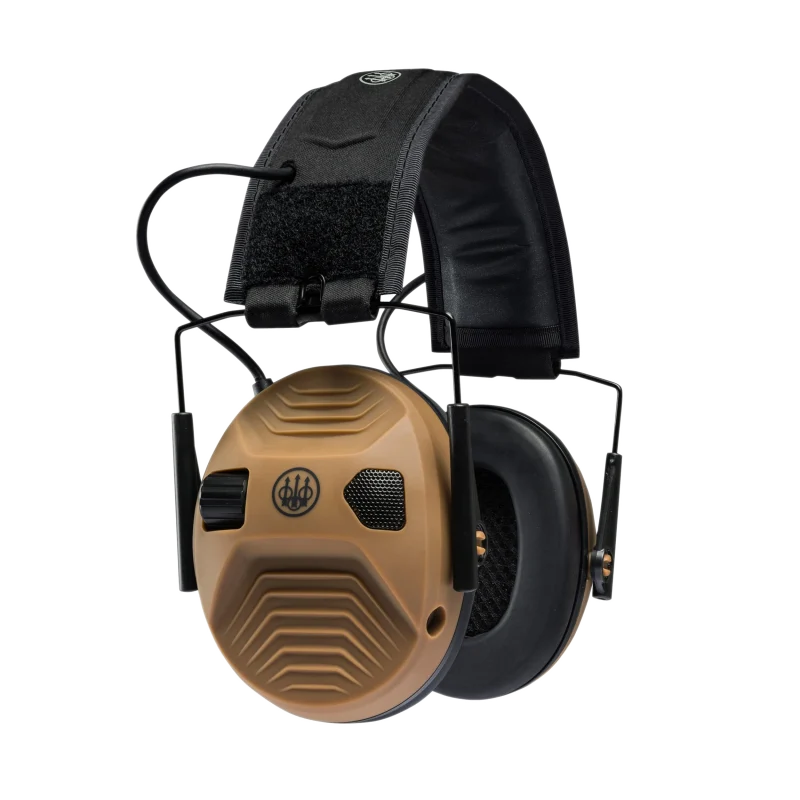
Beretta Electronic Earmuff
(Otter)£117.95£98.29View ProductEx VAT
-
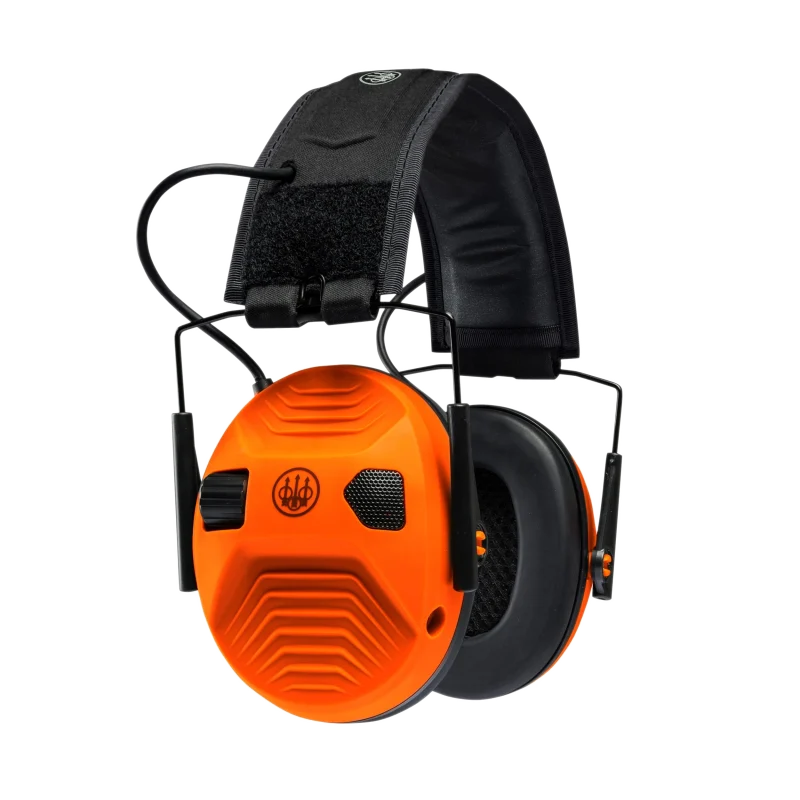
Beretta Electronic Earmuff
(Hi-Vis Orange)£117.95£98.29View ProductEx VAT
-
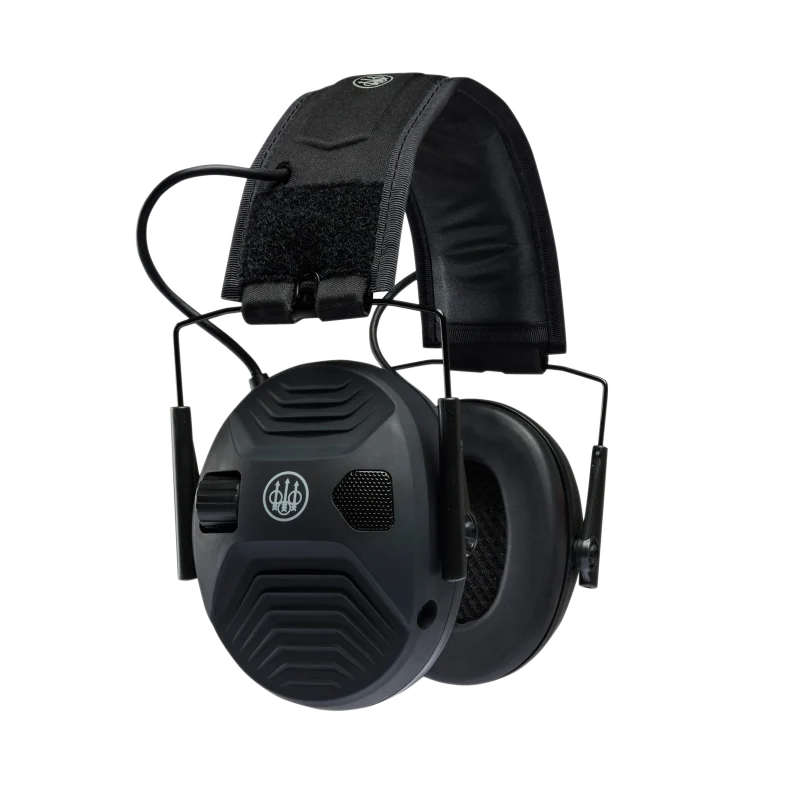
Beretta Electronic Earmuff
(Black)£117.95£98.29View ProductEx VAT
-

Browning Fox Ear Defenders
(Black)£74.00£61.67View ProductEx VAT
-

Browning BDM Bluetooth Ear Defenders
(Black Olive)£149.00£124.17View ProductEx VAT
-
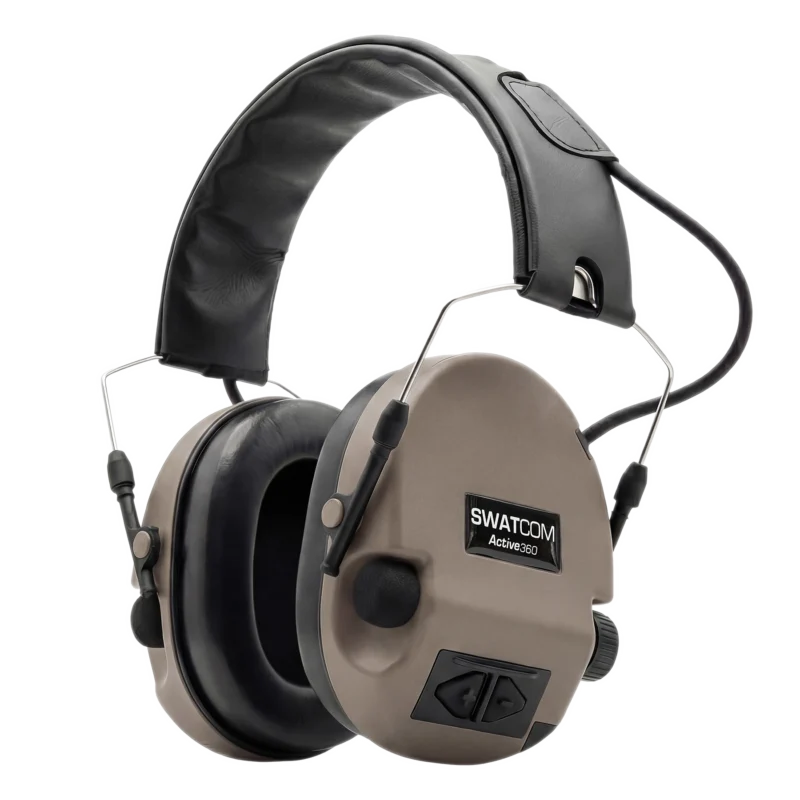
Swatcom Active360 Electronic Ear Defenders
(Tan)£375.00£312.50View ProductEx VAT
-
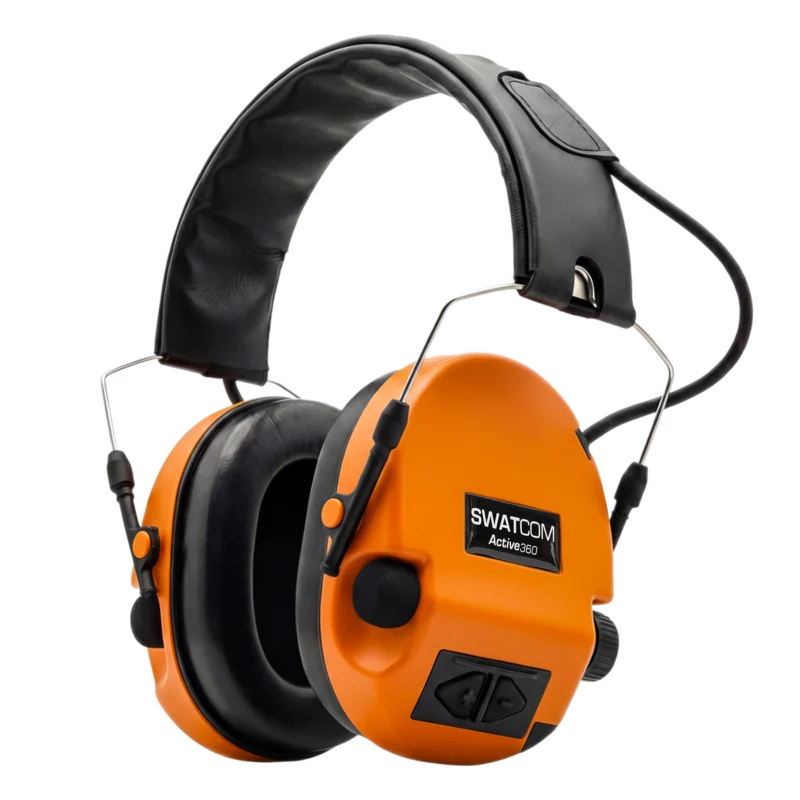
Swatcom Active360 Electronic Ear Defenders
(Orange)£375.00£312.50View ProductEx VAT
-

Swatcom Active360 Electronic Ear Defenders
(Green)£375.00£312.50View ProductEx VAT
-
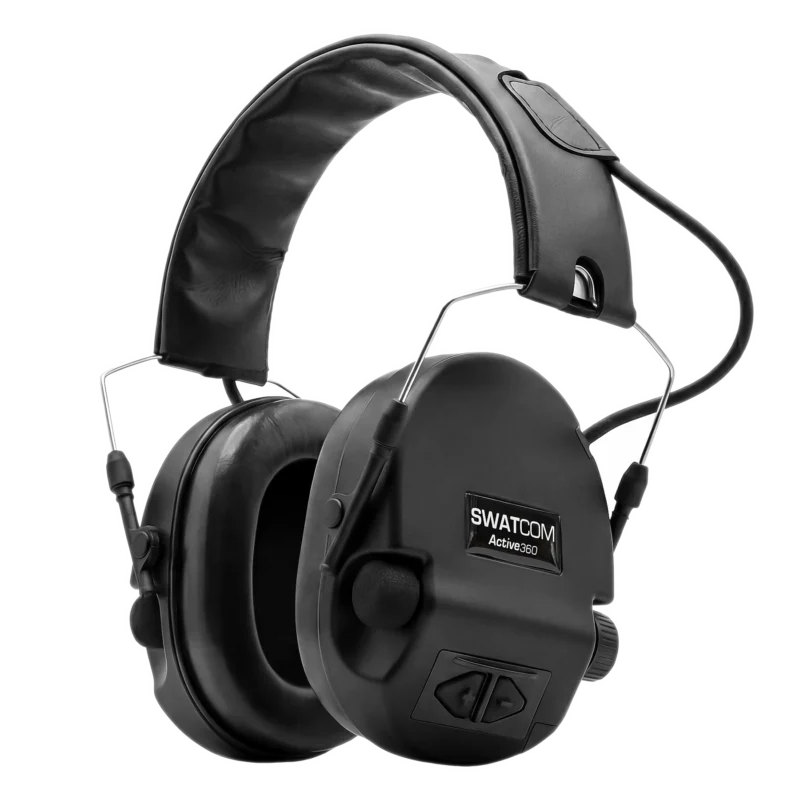
Swatcom Active360 Electronic Ear Defenders
(Black)£375.00£312.50View ProductEx VAT
-

Peltor SportTac Electronic Ear Defenders
£225.00£187.50Add to basketEx VAT
-

Swatcom Active8 Ear Defenders
(Multicam)Out of stock
£480.00£400.00Ex VAT
View ProductBack in stock notification available
-

Browning Electronic Ear Defenders BDM
(Black)£129.00£107.50View ProductEx VAT
-

Swatcom Active8 Ear Defenders
(Sand)£450.00£375.00View ProductEx VAT
-
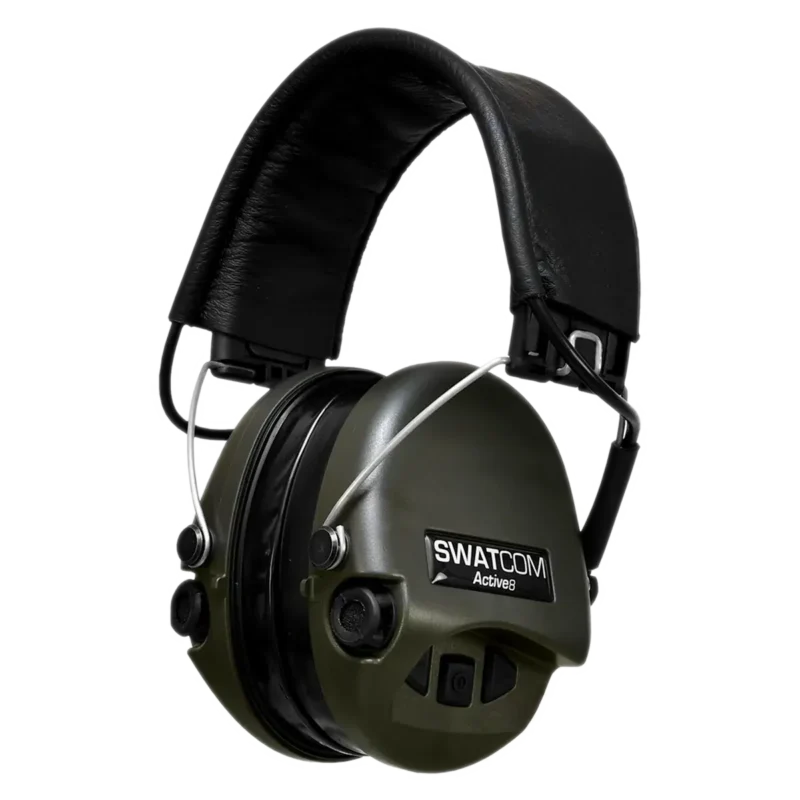
Swatcom Active8 Ear Defenders
(Green)Out of stock
£450.00£375.00Ex VAT
View ProductBack in stock notification available
-

Swatcom Active8 Ear Defenders
(Carbon)Out of stock
£480.00£400.00Ex VAT
View ProductBack in stock notification available
-

Swatcom Active8 Ear Defenders
(Blaze)£480.00£400.00View ProductEx VAT
-

Swatcom Active8 Ear Defenders
(Black)Out of stock
£450.00£375.00Ex VAT
View ProductBack in stock notification available
