

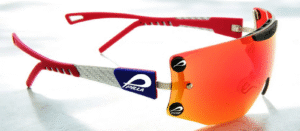

Our essential Pilla Lens Chart and Buying Guide for the Pilla range of sporting eye wear. A three part guide to understanding Pilla lenses including a full easy to read Pilla Lens Chart.
Links
- Full Pilla Lens Chart (On this page)
- Pilla Buying Guide (On this page)
- Pilla Lens Shop Page (Opens new page)
- Pilla Bundle Configurator Opens new page)
- Recommended Kits (On this page)
Pilla Lens Chart Quick Guide
Every Pilla lens name includes two parts: A number representing the percentage of light transmittance (how much light passes through the lens). A combination of letters that identify the lens technology, filtration type, and family.
For example:
- 10CED allows 10% light through and features Chromashift Enhanced Definition filtration.
- 36CPOM allows 36% light through with Chromashift Progressive Max Orange technology.
- 69CIPE allows 69% light through with Chromashift Infra Red Progressive Enhanced technology.
The lower the number, the darker the lens — ideal for bright sun. Higher numbers suit lower-light conditions like overcast days or indoor shooting. Some key letters to look out for refer to the following technologies.
- Enhanced Definition (ED) These lenses help maintain depth perception while increasing detail without over-saturating any specific colour. These are great for shooters requiring a more balanced sight picture.
- High Contrast (HC) These lenses add extra definition to fast-moving clays, especially against variable or cluttered backgrounds.
- Max Orange (MX) These lenses give an aggressive visual lock on orange and pink targets, even in complex backgrounds or poor light. Clays pop making it a perfect lens for disciplines such as trap, skeet, and sporting clays.
- Neutralizer (N) These lenses aggressively dampen green backgrounds giving an almost matte look whilst bringing vivid colour to the rest of the colour spectrum. Neutralizer lenses are particularly useful when shooting against leafy trees or grass, preventing the background from overpowering the target visually.
When making a decision, think about where and how you shoot. Start with your environment — whether it’s woodland, open fields, desert landscapes or mixed terrain. Consider the lighting you typically encounter, from bright sun to heavy cloud cover, low light or even indoor ranges. Next, factor in your activity. Are you shooting sporting clays, skeet, trap, or hunting?
By using the Pilla Lens Chart below you can easily identify which lenses suit your sport, lighting, and personal preferences. For full information including a breakdown on lens technology, please see our buyers guide located underneath the Pilla Lens Chart or click the link above.
Pilla Lens Chart
| Lens Image | Lens Name | Filtration Type | Lens Family | Environment | Lighting | Colour | Best Use For | Key Features / Notes |
 | 7CIED | Solid Filtration | Chromashift, Infra Red, ICE, Enhanced Definition | Desert, Open Field | Direct Sun | Brown, Amber | Reducing glare and maintaining contrast in bright direct sun environments | High-comfort brown/amber lens delivering increased visual lift at lower transmittance while maintaining strong contrast. |
 | 9.5CIED | Solid Filtration | Chromashift, Infra Red, ICE, Enhanced Definition | Open Field, Desert | Direct Sun | Brown, Amber | Vivid target colour in very bright, direct sunlight | Lowest transmittance, rich color presence, more red/vibrant than 10CED |
 | 10CED | Solid Filtration | Enhanced Definition, Chromashift, Infra Red, ICE | Open Field, Desert | Direct Sun | Brown, Amber | Relaxing eyes in bright light, balanced colour | Must-have for bright light, relaxes eye, neutral colour elevation |
 | 12CIBB | Solid Filtration | Chromashift, Infra Red, ICE, Max Orange, Neutraliser | Green Trees | Direct Sun | Purple | Neutralising green backgrounds, increasing target contrast in woods | Neutraliser, reduces green, increases orange contrast and sharpness |
 | 15CIHC | Solid Filtration | Chromashift, High Contrast, Infra Red, ICE | Green Trees, Open Field | Full Sun | Red, Purple | Shooting in mixed light/cloudy conditions, enhancing orange/pink targets | Modified spectral curve for orange spike and green suppression |
 | 18CED | Solid Filtration | Enhanced Definition, Chromashift, Infra Red, ICE | Desert | Full Sun | Brown, Amber | Managing harsh light for better depth and clarity | High light lens for optimal light management and resolution |
 | 19CIN | Solid Filtration | Chromashift, Neutralizer, Infra Red, ICE | Green Trees | Full Sun, Mid Yellow Light | Purple | Energising orange targets in bright green backgrounds | Darker purple neutraliser with a red hue designed to suppress green backgrounds while energising targets. |
 | 21GICP | Solid Filtration | Chromashift, Infra Red, ICE, Max Orange | Open Field | Full Sun | Orange | High saturation, enhanced target detail in full sun | High saturation, crisp details, balanced with super clarity |
 | 22CIMX | Solid Filtration | Chromashift, Infra Red, ICE, Max Orange | Open Field | Full Sun | Orange | Maximum target lift in bright open field conditions | Highest target lift, balanced yellow-red spectrum |
 | 25CIEB | Solid Filtration | Chromashift, Neutralizer, Infra Red, ICE | Green Trees | Full Sun | Purple | Neutralising green in bright full sun woodland environments | New purple neutraliser with enhanced red attenuation to suppress green and improve target separation. |
 | 26CIED | Solid Filtration | Enhanced Definition, Infra Red, Chromashift, ICE | Desert | Full Sun, Mid Yellow Light | Brown, Amber | Enhancing colour and contrast in bright desert and open terrain environments | Balanced amber-brown lens with enhanced colour definition and controlled light management for improved visual clarity. |
 | 28CR | Solid Filtration | Chromashift, Infra Red, ICE, High Contrast | Open Field, Desert | Full Sun, Mid Yellow Light | Red | Vivid red enhancement for shooting against blue skies | First true red lens, vibrant, perfect for blue skies/open fields |
 | 29CIMX | Solid Filtration | Chromashift, Max Orange, Infra Red, ICE | Open Field | Mid Yellow Light | Orange | Shooting under white cloud cover with orange targets | Max orange filtration for white cloud cover, better than 32MXB |
 | 30CDC | Solid Filtration | Chromashift, ICE, High Contrast | Open Field, Snow | Full Sun, Mid Yellow Light | Blue | Turning orange targets to high contrast in bright snow | Shifts orange targets to dark grey/black for max contrast |
 | 30CIHB | Solid Filtration | Chromashift, Neutralizer, Infra Red, ICE | Green Trees, Snow | Mid Yellow Light | Purple | Neutralising green in bright to medium light snowy woods | New neutraliser, controls green suppression, hydrophobic/hydrophilic coating |
 | 30CMOS | Solid Filtration | Chromashift, Max Orange, Infra Red, ICE | Open Field, Desert | Mid Yellow Light | Orange | Mid yellow light shooting in open/desert environments | Solid filter with max orange, for mid yellow light |
 | 31CIHP | Solid Filtration | Chromashift, Infra Red, ICE, High Contrast | Open Field, Desert | Full Sun, Mid Yellow Light | Red, Pink, Purple | Bright sun with partial cloud cover, high contrast | 30% transmittance, bright sun with clouds, high contrast |
 | 35CIA | Solid Filtration | Chromashift, Infra Red, ICE, Neutralizer | Green Trees | Mid Yellow Light | Pink, Purple | Medium yellow light with enhanced target pop and separation | CIN family with cherry, enhanced target acquisition |
 | 36CPOM | Solid Filtration | Chromashift, Max Orange, Infra Red, ICE | Open Field | Mid Yellow Light | Red, Orange | Vibrant orange dome target in mid yellow light | Vibrant orange dome target, complementary to CMX lenses |
 | 38CIED | Solid Filtration | Chromashift, Enhanced Definition, Infra Red, ICE | Open Field, Desert, Snow | Mid Yellow Light | Brown, Amber | Ideal for medium light conditions requiring crisp target definition. | Balanced colour enhancement across the spectrum. |
 | 39CIG | Solid Filtration | Chromashift, Infra Red, ICE, Neutralizer, Red/Green Defficient | Green Trees, Open Field, Desert, Snow, Indoor | Mid Yellow Light | Red, Pink | Enhances red tones without overwhelming the sight picture. | Designed for shooters with red/green colour deficiency. |
 | 40CN | Solid Filtration | Chromashift, Neutralizer, Infra Red, ICE | Green Trees, Snow | Mid Yellow Light | Purple | Pink and orange targets in green background. | Uses 44N as a base whilst enhancing filter efficiency of the colour enhancing profile. |
 | 42CDKX | Solid Filtration | Chromashift, High Contrast, Infra Red, ICE | Open Field, Snow | Mid Yellow Light | Red, Orange | Excellent for lime green and orange targets in grey / white skies. | Uses 92CIL and 53CIK as a base |
 | 42CILA | Solid Filtration | Chromashift, Neutralizer, Infra Red, ICE | Green Trees | Mid Yellow Light | Purple | Neutralising green in medium light woodland environments | Medium-light purple neutraliser with added lift and enhanced green suppression for improved clarity and balance. |
 | 44CMX | Solid Filtration | Chromashift, Max Orange, Infra Red, ICE | Open Field, Desert | Mid Yellow Light | Orange | Orange and pink black rimmed targets. | Accelerates orange/pink visibility; strong target edge contrast; very bright sight picture. |
 | 46CIPA | Solid Filtration | Chromashift, Infra Red, ICE, Max Orange | Open Field | Mid Yellow Light | Orange | Maximising target visibility in mid-light open field environments | High-energy orange lens with strong lift and enhanced edge definition for improved target acquisition. |
 | 47CIHC | Solid Filtration | Chromashift, High Contrast, Infra Red, ICE | Open Field, Desert, Snow | Mid Yellow Light | Red, Purple | Higher attenuation for target enhancement in medium light. | Evolution of 50RHC; more red for better target pop in cloud-filtered yellow light. |
 | 50CIS | Solid Filtration | Chromashift, Infra Red, ICE, High Contrast | Open Field, Snow | Mid Yellow Light | Pink, Red | Suitable for clays course and live bird shooting. | Balanced medium light lens; pink-toned; good contrast without major colour shift. |
 | 52CHC | Solid Filtration | Chromashift, High Contrast, Infra Red, ICE | Open Field, Snow | Mid Yellow Light | Red, Orange | Game in mid light | Red-based lens with rich contrast; evolved from best-selling 50R. |
 | 52CIN | Solid Filtration | Chromashift, Infra Red, ICE, Neutralizer | Green Trees | Mid Yellow Light, Diminishing Light | Purple | High-performance green background neutraliser | Neutralizes green background; more red than 40CN; lifts orange in marginal light. |
 | 53CIK | Solid Filtration | Chromashift, Infra Red, ICE, High Contrast | Open Field | Medium Grey Light, Flat Light | Green | Lime green targets in medium grey light. | Superb for flat grey light; corrects target ’white out’; ideal for lime green targets. |
 | 54CIHC | Solid Filtration | Chromashift, Infra Red, ICE, High Contrast | Open Field, Desert | Mid Yellow Light, Diminishing Light | Orange, Red | Live birds in mid yellow light. | Elevates colour lift by introducing a red profile; a versatile medium light lens. |
 | 56CIBO | Solid Filtration | Chromashift, Infra Red, ICE, High Contrast | Open Field, Desert | Mid Yellow Light, Diminishing Light | Orange | Red and yellow targets in mid light. | Hotter version of the Peach filter; accelerates red and yellow for highlighting various targets. |
 | 58CIP | Solid Filtration | Chromashift, High Contrast, Infra Red, ICE | Open Field, Desert, Snow | Mid Yellow Light, Diminishing Light | Yellow, Orange | Shooting in late afternoon evening when losing light. | Increases saturation and contrast in tougher grey light conditions; brightens the sight picture. |
 | 60CMOS | Solid Filtration | Chromashift, Infra Red, ICE, Max Orange | Open Field, Desert, Snow | Low Light | Orange | Orange and Browns in low light. | Super boosting orange filters for maximum registration; suitable for low light conditions. |
 | 62CIED | Solid Filtration | Chromashift, Infra Red, ICE, Enhanced Definition | Open Field | Diminishing Light | Brown, Amber, Orange | Low light shooting range of colours | Balanced lens for low light conditions. |
 | 62CIHW | Solid Filtration | Chromashift, Infra Red, ICE, High Contrast | Open Field, Snow | Mid Yellow Light, Diminishing Light | Pink | Orange clays in mid afternoon to early evening. | Balanced colour profile with modest amplification; enhances target orange while maintaining definition. |
 | 64CIB | Solid Filtration | Chromashift, Infra Red, ICE, High Contrast | Open Field, Snow | Diminishing Light | Yellow | Game and clays in diminishing light. | Chromashift with copper coating lifts colours. |
 | 64CMX | Solid Filtration | Chromashift, Infra Red, ICE, Max Orange | Open Field, Desert, Snow | Low Light | Orange | Oranges in low light in open conditions | Super boosting orange filters for maximum registration; high contrast with rich definition. |
 | 65CIMN | Solid Filtration | Chromashift, Infra Red, ICE, Max Orange, Neutralizer | Green Trees | Low Light | Pink, Purple | Orange clays against green background. | Blends the 66N and the 69MWN with the Chromashift coating of the 18CED and 52CHC |
 | 68CIHC | Solid Filtration | Chromashift, Infra Red, ICE, High Contrast | Open Field | Low Light | Purple | Orange clays in open field in low light. | Elevates purple/red in the filter curve; increases contrast without neutraliser. |
 | 69CIPE | Solid Filtration | Chromashift, Infra Red, ICE, Enhanced Definition | Green Trees, Open Field | Diminishing Light, Flat Light, Low Light | Orange | Balanced lens for low light shooting. | A touch more red than the 72CIMX creating a higher target value. |
 | 70CIGA | Solid Filtration | Chromashift, High Contrast, Infra Red, ICE | Green Trees, Open Field | Diminishing Light, Low Light | Green | Enhancing contrast and visibility in flat or diminishing light conditions | Balanced green filter designed for versatility in changing light, providing high contrast while remaining calm on the eyes. |
 | 72CIMX | Solid Filtration | Chromashift, Infra Red, ICE, Max Orange | Open Field, Desert, Snow | Low Light, Ultra-Low Light, Indoor | Orange | Indoor or very low light shooting. | Lifts colours in flat or very low lighting conditions. |
 | 78CIHC | Solid Filtration | Chromashift, Infra Red, ICE, High Contrast | Open Field, Snow, Indoor | Low Light, Ultra-Low Light, Indoor | Yellow | Clay or paper targets in indoor or very low light conditions. | Super bright low light lens. |
 | 80CMOS | Solid Filtration | Chromashift, Infra Red, ICE, High Contrast | Snow, Indoor | Flat Light, Ultra-Low Light, Indoor | Purple | Creating contrast in very low light conditions. | High contrasts, low light lens. |
 | 80HC | Solid Filtration | Chromashift, Infra Red, ICE, High Contrast | Open Field, Snow, Indoor | Low Light, Indoor | Yellow | Low light shooting | Boosts colour whilst reducing glare in low light conditions. |
 | 82CIRG | Solid Filtration | Chromashift, High Contrast, Infra Red, ICE | Desert, Open Field | Low Light | Pink | Increasing brightness and clarity in low light open environments | Refined high-transmittance grapefruit filter delivering enhanced brightness while maintaining colour balance. |
 | 85CICA | Solid Filtration | Chromashift, Infra Red, ICE, Enhanced Definition | Desert, Open Field, Green Trees, Snow, Indoor | Flat Light, Low Light | Brown, Orange | Improving contrast and comfort in flat or low-light shooting environments | Warm orange-brown lens designed for low-light comfort, delivering balanced contrast and natural colour elevation. |
 | 92CIL | Solid Filtration | Chromashift, Infra Red, ICE, High Contrast | Snow, Indoor | Ultra-Low Light, Indoor | Green | Maximising target visibility in ultra-low light, indoor, or snow environments | High-contrast lime filter designed to enhance targets while reducing glare in very low or artificial light. |
 | 98AR | Solid Filtration | Infra Red, ICE | Indoor, Snow | Indoor, Night | Clear | Indoor or night shooting where anti-reflection is needed. | High transmittance, anti-reflective lens. |
 | RHCP | Solid Filtration | Chromashift, Infra Red, ICE, High Contrast | Open Field | Mid Yellow Light | Red | Lifts orange whilst remaining balanced in medium light. | Neutral saturation lens whilst enhancing oranges in medium light. |
 | CIC | Progressive Filtration | Chromashift, Infra Red, ICE, High Contrast | Open Field, Snow | Mid Yellow Light | Red, Pink | Great for those that are colour deficient in red and green. | Enhances orange and pink. |
 | CIL | Progressive Filtration | Chromashift, Infra Red, ICE, High Contrast | Green Trees, Open Field, Indoor | Low Light, Indoor | Yellow | Enhancing depth of field in low light. | High intensity lemon filtration. |
 | CILM | Progressive Filtration | Chromashift, Infra Red, ICE, High Contrast | Green Trees, Open Field, Snow, Indoor | Ultra-Low Light, Indoor | Green | Lifts colours in low light conditions. | Greatly compliments the CIL lens. |
 | CIM | Progressive Filtration | Chromashift, Infra Red, ICE, Max Orange | Open Field, Desert, Snow | Full Sun, Mid Yellow Light | Pink, Orange | Orange targets in strong light. | CIM Max Orange with progressive lens technology. |
 | CIN | Progressive Filtration | Chromashift, Infra Red, ICE, Neutralizer | Green Trees | Full Sun, Mid Yellow Light | Purple | Shooting against green backgrounds. | Tunes the sight picture depending on light levels. |
 | CIPDF | Progressive Filtration | Chromashift, Infra Red, ICE, High Contrast | Open Field, Desert | Mid Yellow Light | Amber, Pink, Orange | Orange clays in bright conditions. | Blends 58CIP and 60CHCW lenses. |
 | CIPED | Progressive Filtration | Chromashift, Infra Red, ICE, Enhanced Definition | Open Field, Desert | Direct Sun, Full Sun | Amber, Pink, Orange | Balanced colours in direct full sun. | The top of the lens is an enhanced definition curve with a transmittance of 22% with the bottom of the lens having a transmittance of 78%. |
 | RGHL | CGR Filtration | Chromashift, ICE | Open Field, Desert | Direct Sun, Full Sun, Mid Yellow Light | Red, Purple | Those with colour recognition deficiency. | Elevates orange and red. |
 | RGLL | CGR Filtration | Chromashift, ICE | Green Trees, Open Field, Desert | Mid Yellow Light, Diminishing Light, Low Light | Red, Purple | Those with colour recognition deficiency. | Works in lower lighting conditions than RGHL |
Pilla Lens Chart Buying Guide
Choosing the right Pilla lens becomes much simpler once you understand how light transmittance, filtration, and lens technology work together. Our lens chart above breaks down each model, while the guide below helps you decide exactly what you need.
The Four Key Factors
When selecting a Pilla lens, think about where and how you shoot. Start with your environment — whether it’s woodland, open fields, desert landscapes or mixed terrain. Consider the lighting you typically encounter, from bright sun to heavy cloud cover, low light or even indoor ranges.
Next, factor in your activity. Are you shooting sporting clays, skeet, trap, or hunting? Finally, decide on your preferred base filter colour. Some lenses boost reds and oranges for better target contrast, while others provide a more balanced overall view.
Understanding Light Transmittance
Each Pilla lens carries a light transmittance percentage. Lower percentages (such as 10–30%) indicate darker lenses ideal for bright sunlight. Higher percentages (50–92%) allow more light through, making them better suited for overcast conditions or low light.
For example, the 26CIED allows 26% light transmission, perfect for medium-light conditions. The 98AR allows 98% transmission, making it ideal for very dim environments. Selecting the correct transmittance ensures both comfort and optimal visual clarity.
Pilla Filtration Categories Explained
You’ll often see letters after the lens number, such as ED, HC, MX, or N. These codes indicate which filtration category or colour science has been applied to the lens. Each category is designed to enhance your shooting vision in different ways, optimising contrast, colour balance, and target visibility based on shooting conditions.
Enhanced Definition (ED)
ED lenses help maintain depth perception while increasing detail without over-saturating any specific colour.
- Boosts the entire colour spectrum evenly.
- Produces sharp, vivid images with true-to-life colours.
- Ideal for shooters who want natural, high-definition vision across all lighting conditions.
High Contrast (HC)
HC lenses add extra definition to fast-moving clays, especially against variable or cluttered backgrounds.
- Intensifies both dark and light areas of the sight picture.
- Separates target from background with crisp edges.
- Excellent for sporting clays where fast target acquisition is crucial.
Max Orange (MX)
MX lenses give an aggressive visual lock on orange and pink targets, even in complex backgrounds or poor light.
- Provides up to 600% boost in the orange colour spectrum.
- Designed to make clay targets “pop” for quicker recognition.
- Perfect for disciplines like trap, skeet, and sporting clays.
Neutralizer (N)
Neutralizer lenses are particularly useful when shooting against leafy trees or grass, preventing the background from overpowering the target visually.
- De-tunes green backgrounds to improve target visibility.
- Ideal for wooded or heavily green environments.
- Brings vivid detail to the rest of the colour spectrum.
Pilla Filtration Types Explained
In addition to filtration categories, Pilla lenses also use different filtration types to control how light and colour are managed across the lens surface. These are an important factor when selecting a lens to suit your needs.
Solid Filtration
This is a single, consistent colour and filtration across the entire lens surface. Solid lenses deliver uniform performance and are ideal when lighting conditions remain stable throughout the round.
Progressive Filtration
Progressive lenses change their filtration density from top to bottom. Typically, the upper portion of the lens is darker for overhead targets, while the lower section is lighter for ground-level presentations. This design is particularly useful in changing or uneven lighting conditions, offering adaptive vision during the shot.
CGR (Contrast Gradient Resolution) Filtration
CGR lenses combine enhanced contrast with an advanced gradient that balances resolution throughout the lens. This filtration type works to maximise detail while controlling brightness and colour accuracy across a broad range of lighting scenarios. CGR lenses are highly versatile, especially in unpredictable environments.
Pilla Lens Technologies Explained
Alongside filtration, Pilla employs several proprietary technologies that fine-tune optical performance, enhance colour recognition, and improve lens durability.
Chromashift™ (C)
Chromashift technology shifts colour perception to accelerate target registration. By adjusting the way colours are processed through proprietary dyes, it intensifies target colours — especially orange — without distorting the surrounding background. Chromashift is present in most of Pilla’s modern lens designs.
Infra Red™ (I)
Infra Red technology combines rich colour enhancement with advanced coatings to deliver extremely sharp, vibrant sight pictures. Built on more than a decade of research, it creates exceptional contrast and clarity even in complex lighting.
ICE Technology
ICE Technology uses multi-layer coatings to repel water, oil, and dirt while reducing fogging through hydrophobic and hydrophilic properties. When paired with Chromashift or Infra Red filters, it further enhances colour while keeping lenses clean and easy to maintain.
Building Your Lens Kit
Many shooters build a versatile lens kit to cover all lighting conditions. A well-rounded starter set usually includes:
- A dark lens for bright, sunny days. For example, a 9.5-25 lens.
- A mid-range lens for variable or mixed lighting. For example, a 26-55 lens.
- A light lens for overcast or low-light conditions. For example, a 56 and above lens.
For a different way of building a three-lens kit, some shooters prefer to include one yellow lens, one purple lens, and one orange lens. This combination offers excellent coverage across a wide range of shooting environments and target presentations. Our lens chart simplifies this process, helping you match transmittance and filtration to your needs.
The Role of Eye Colour
Eye colour can influence lens comfort. Light-eyed shooters often prefer darker lenses, as they tend to be more sensitive to bright conditions. Those with darker eyes may find lighter lenses more comfortable. While this isn’t a strict rule, it serves as a helpful guide.
Lens Families & Frame Compatibility
Pilla lenses are grouped into families based on frame design. The X6 Family fits Outlaw X6 full-shield wraparound frames, while the X7 Family is designed for Outlaw X7 semi-shield frames. Always check your frame type before choosing a lens to ensure compatibility.
Recommended Kits
Choosing the right kit can be a daunting task, especially for the first time. This is why we have put together two recommendations for shooting in the UK. These kits are by no means definitive but are a great starting point.
All-Round Clay Kit
If you want a versatile kit that excels on clays but still performs well in the field, this is the go-to combination. It covers everything from bright summer layouts to dull winter days.
- 9.5CIED
A full sun lens that enhances orange targets with exceptional clarity. Ideal for bright conditions where maximum contrast and glare reduction are critical. - 42CILA
A neutralising lens that delivers very high contrast without over-saturating colours. This is a true all-rounder and a consistent staff favourite. - 92CIL
As close to a clear lens as you can get without going fully clear. Designed for low light and poor weather, it helps relax the eyes and reduces strain during long sessions.
Why this kit works:
Together, these three lenses give you full coverage across lighting conditions while maintaining strong target definition. It’s a balanced, dependable setup that suits the vast majority of UK shooting environments.
Game Shooting Kit
Designed specifically for game shooting, this kit prioritises comfort, natural vision, and controlled contrast — ideal for longer days in varied and often softer light conditions.
- 38CIED
A moderate lens that enhances contrast without overwhelming the image. It’s easy on the eyes and well-suited to natural backgrounds. - 70CIGA
A versatile neutraliser offering a similar feel to the 92CIL, but with slightly more structure. Excellent for maintaining clarity without harsh contrast. - 85CICA
A light lens that improves contrast while still delivering a balanced, natural picture — perfect for maintaining visibility in lower light without fatigue.
Why this kit works:
This combination is built for comfort and consistency. It avoids overly aggressive contrast while still giving enough definition to track targets effectively in real-world game scenarios.
Pilla Outlaw Lens Styles Explained
The Pilla Outlaw range is designed to give shooters flexibility in frame style, fit, and optical performance while maintaining the same high-performance lens technology across all models. The main difference between styles is not optical quality, but size, coverage, and intended use case.
All X6 models share the same arm system, and all X7 models share the same arm system, meaning lenses are interchangeable within each range. The choice comes down to fit preference and shooting style.
Outlaw X6 (Standard Fit)
The X6 is the most commonly chosen option and is widely regarded as the “standard” Outlaw fit. It features a slightly larger frame, offering a more traditional wraparound feel with excellent peripheral coverage. This makes it a popular choice for shooters who want maximum visual comfort and a slightly more generous fit across the face. It is especially well suited to longer shooting days where stability and coverage are key.
Outlaw X7
The X7 is the smaller, more compact version of the Outlaw system. It provides the same lens performance as the X6 but in a slightly tighter and more streamlined frame. This makes it ideal for shooters who prefer a lighter, less dominant feel on the face or who have narrower facial structure. Despite its smaller size, it still delivers full optical performance and field of view.
Outlaw X7 Razor
The X7 Razor is a much more narrow, performance-focused variant of the X7 platform. It is designed for shooters who prefer a more minimal lens profile and reduced frame presence in their field of view. The slimmer design offers a very clean visual experience while maintaining full protection and optical clarity. This is a specialist choice for those who prioritise a lightweight, reduced-profile setup.
Outlaw X6 Top Gun
The X6 Top Gun is specifically designed with prescription lens wearers in mind. It allows a full, unobstructed sight picture through the prescription insert, ensuring that the shooter maintains a clear and natural view without compromise. The slightly larger X6 frame provides additional space and comfort, making it particularly well suited for those who rely on prescription optics while shooting.
Outlaw Vistas (X6 & X7)
The Vistas are a premium wraparound design offering a true 180-degree field of view. They feature a superior optical coating designed to deliver a distortion-free image across the entire lens surface, even at the extreme edges. The frame is slightly taller than standard Outlaw models, enhancing vertical coverage and overall visual immersion. This makes the Vistas an excellent choice for shooters who want maximum visual awareness and the most immersive optical experience in the range.
Which Outlaw Style Should You Choose?
For most shooters, the choice comes down to a simple preference between the X6 and X7 standard Outlaw frames, with both offering the same lens performance and only differing in size and fit. The X6 suits those who prefer a slightly larger, more traditional fit, while the X7 is better suited to a smaller, more compact feel.
Specialist options such as the X7 Razor, X6 Top Gun, and Vistas are designed for specific needs, whether that is a minimalist profile, prescription compatibility, or maximum wraparound vision.
Need Expert Help?
Call our friendly shop on 01242 870391 and talk to one of our friendly staff who can help break things down further and offer advise on your particular requirements. Alternatively contact us at hello@iancoleycountry.co.uk where we will be happy to advise via email.
Frequently Asked Questions
Q: What do the percentages on Pilla lenses mean?
A: The percentage refers to light transmission, which indicates how much light passes through the lens. Lower percentages, such as 10–20%, are darker and better suited to bright sunlight, while higher percentages, such as 70–90%, allow more light through and are ideal for overcast conditions or low light environments.
Q: What do the letters in Pilla lens names mean (e.g. CIED, CILA)?
A: The letters in Pilla lens names describe the filtration and enhancement technology built into the lens. Different combinations are designed to enhance specific colours or control contrast. For example, ED lenses are designed to enhance orange targets, while LA lenses neutralise colour to provide a more natural but high-contrast image. Each variation is tailored to suit different lighting conditions and shooting environments.
Q: Which Pilla lens should I use in bright sunlight?
A: In bright sunlight, lenses with lower light transmission perform best as they reduce glare and sharpen contrast. Options such as the 9.5CIED are particularly effective, as they darken the image while enhancing orange targets, making them stand out clearly against bright backgrounds.
Q: What is the best all-round Pilla lens?
A: A strong all-round lens is one that performs consistently across a wide range of lighting conditions without being too aggressive. The 42CILA is widely regarded as one of the best all-round options, as it neutralises colour while still delivering high contrast, making it suitable for both bright and overcast days.
Q: What Pilla lens is best for low light or bad weather?
A: In low light or poor weather, a high transmission lens is essential to maximise visibility. The 92CIL is one of the most effective choices, as it allows a large amount of light through while maintaining clarity and helping to reduce eye strain during prolonged use.
Q: Which Pilla lenses are best for UK conditions?
A: UK shooting conditions tend to be varied, with frequent cloud cover and changing light levels. Lenses that offer balance and adaptability tend to perform best. The 42CILA is a reliable all-round option, the 92CIL excels in low light, and the 38CIED provides controlled contrast for more natural environments such as game shooting.
Q: Do I need more than one lens?
A: In most cases, yes. No single lens can perform optimally across all lighting conditions. Having at least two or three lenses allows you to adapt to different environments and maintain consistent visibility, whether shooting in bright sunlight, flat light, or poor weather.
Q What is the best Pilla lens kit to start with?
A: A three-lens kit is typically the best starting point, as it provides coverage across the full range of conditions. A combination such as a bright light lens like the 9.5CIED, a mid-range all-round lens like the 42CILA, and a low light lens like the 92CIL offers a well-balanced and practical setup for most shooters.
Q: Are Pilla lenses worth it?
A: Pilla lenses are designed to improve contrast, enhance target definition, and reduce eye fatigue. For regular shooters, this can result in faster target acquisition, improved consistency, and greater comfort over longer sessions, making them a worthwhile investment for performance and usability.
Q: What’s the difference between clay shooting and game shooting lenses?
A: Clay shooting lenses are often designed to enhance specific colours, particularly orange, to make targets stand out more clearly. Game shooting lenses tend to be more neutral, focusing on maintaining a natural image and controlled contrast so that targets can be tracked effectively against varied backgrounds such as woodland or open sky.
Q: Will a stronger contrast lens always be better?
A: Not always. While stronger contrast can make targets more visible, excessive contrast can feel unnatural and may lead to eye fatigue over time. The most effective lens is one that provides clear definition while maintaining a comfortable and balanced image.
Q: Can I use the same lens all year round?
A: It is possible to use a single lens year-round, but it is unlikely to perform optimally in all conditions. Lighting varies significantly throughout the seasons, so having at least one additional lens for brighter or darker conditions will provide a noticeable improvement in performance.
Q: Do Pilla lenses help reduce eye strain?
A: Yes, many Pilla lenses are specifically designed to reduce eye strain by balancing light and contrast. Lenses such as the 92CIL and 38CIED are particularly effective in this regard, helping the eye remain relaxed during long shooting sessions or challenging lighting conditions.
Q: How do I choose the right Pilla lens for me?
A: Choosing the right lens depends on the conditions you shoot in most often, whether you focus on clays, game, or both, and your personal preference for contrast levels. If you are unsure, starting with a recommended lens kit is often the simplest and most effective approach.
Q: Can I use the same lenses for both clays and game shooting?
A: Yes, many lenses can be used across both disciplines, particularly those that offer balanced contrast. However, dedicated lenses can provide slight advantages depending on the environment, with stronger colour enhancement typically favoured for clays and more neutral lenses preferred for game shooting.
Q: Do Pilla lenses block UV light?
A: Yes, all Pilla lenses offer full UV protection to safeguard your eyes outdoors.
